Dam 45RPM serie
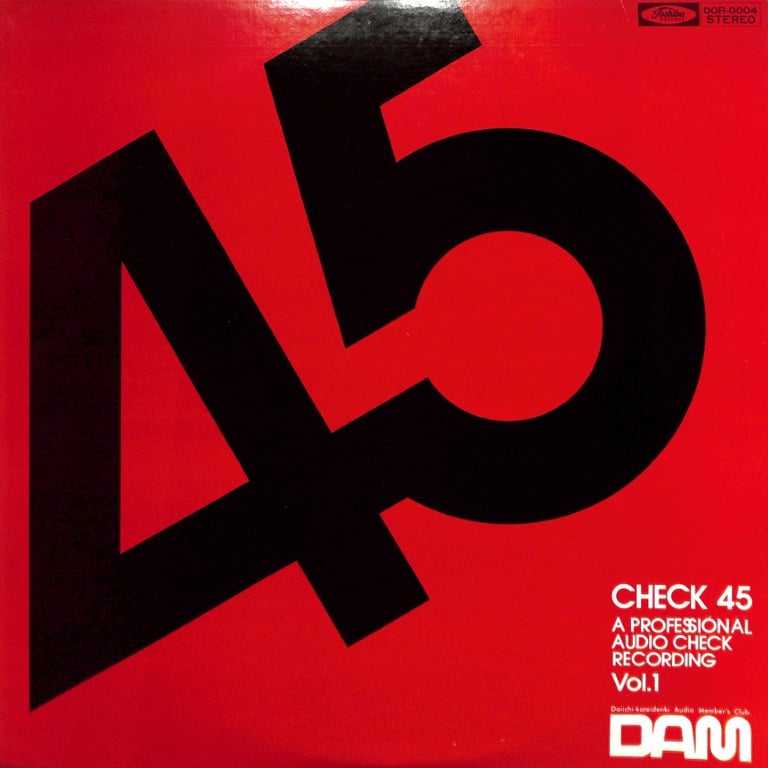
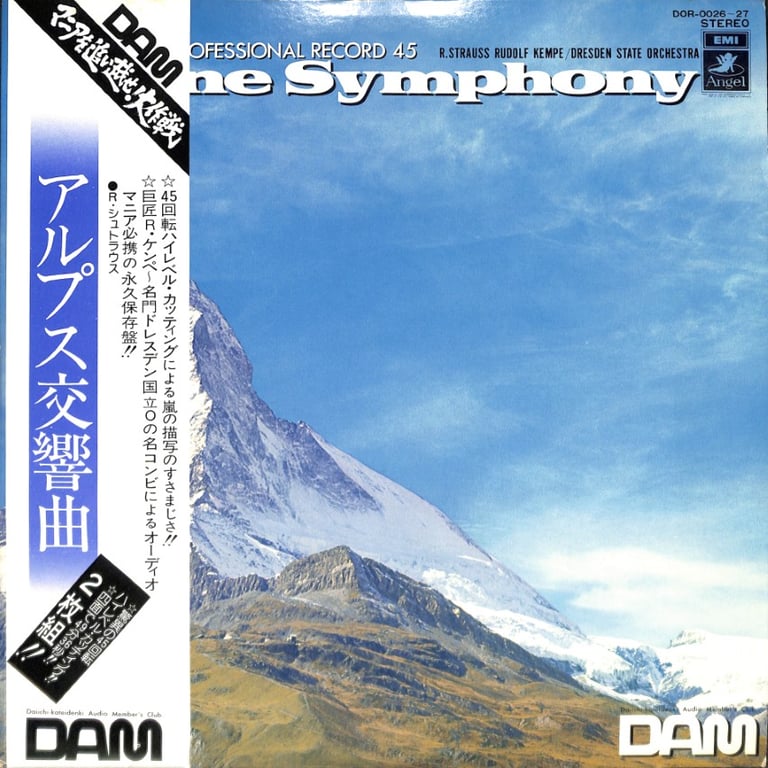
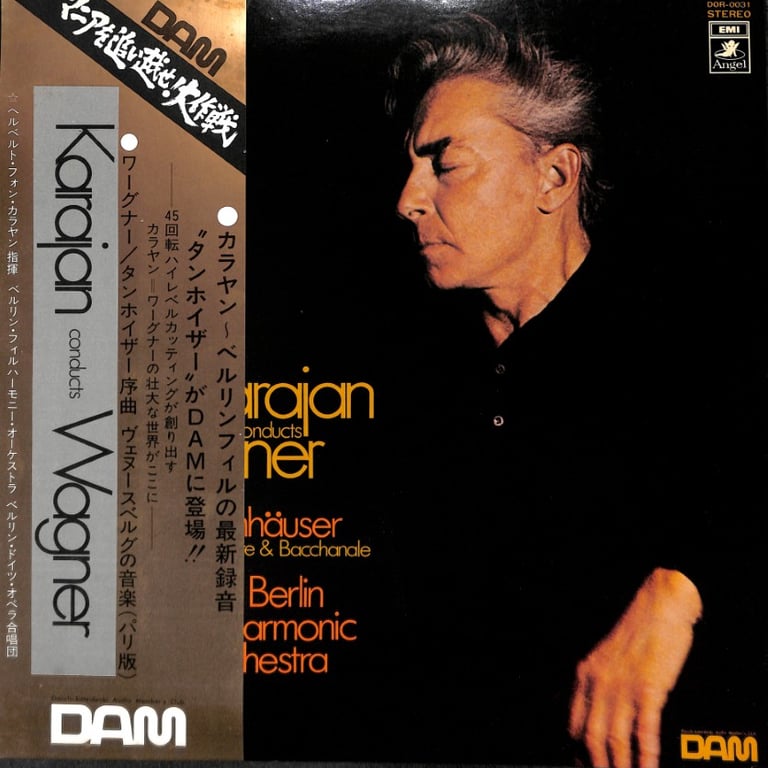

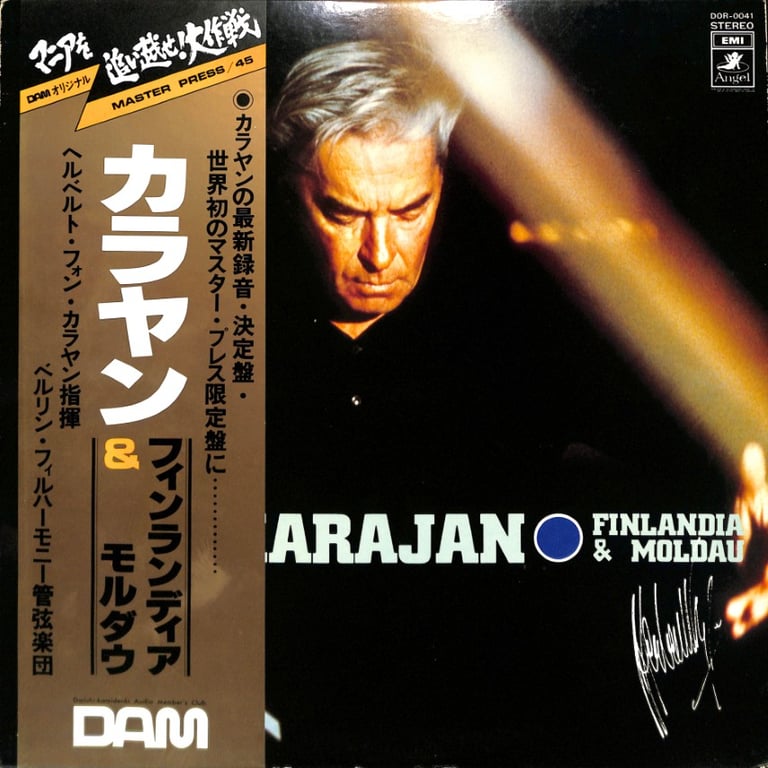

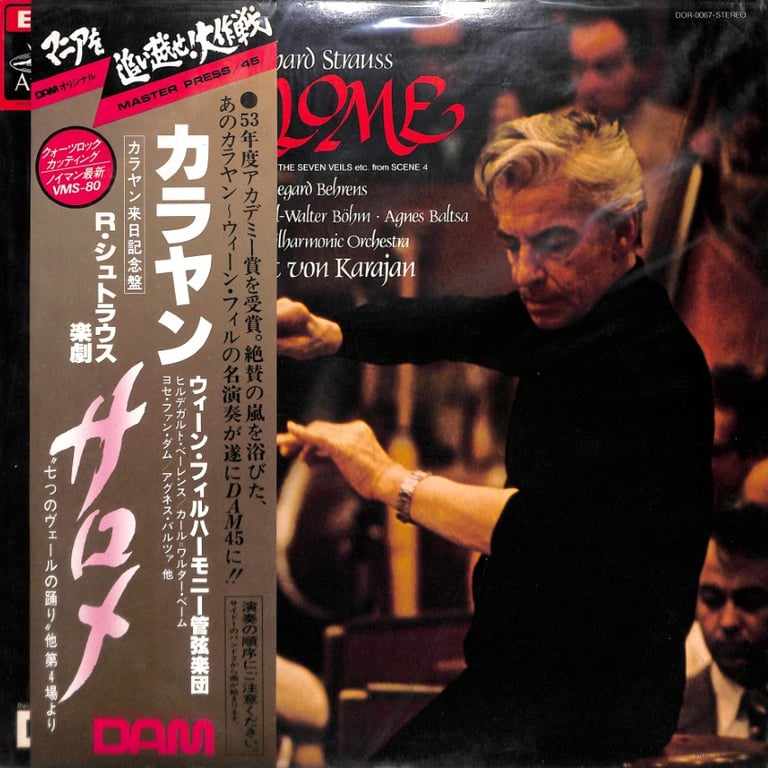
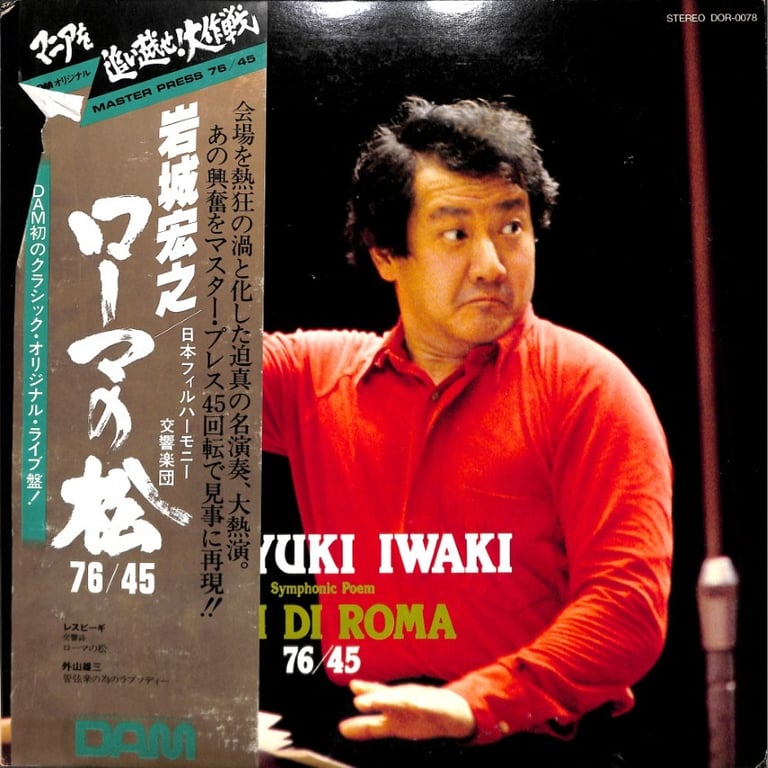
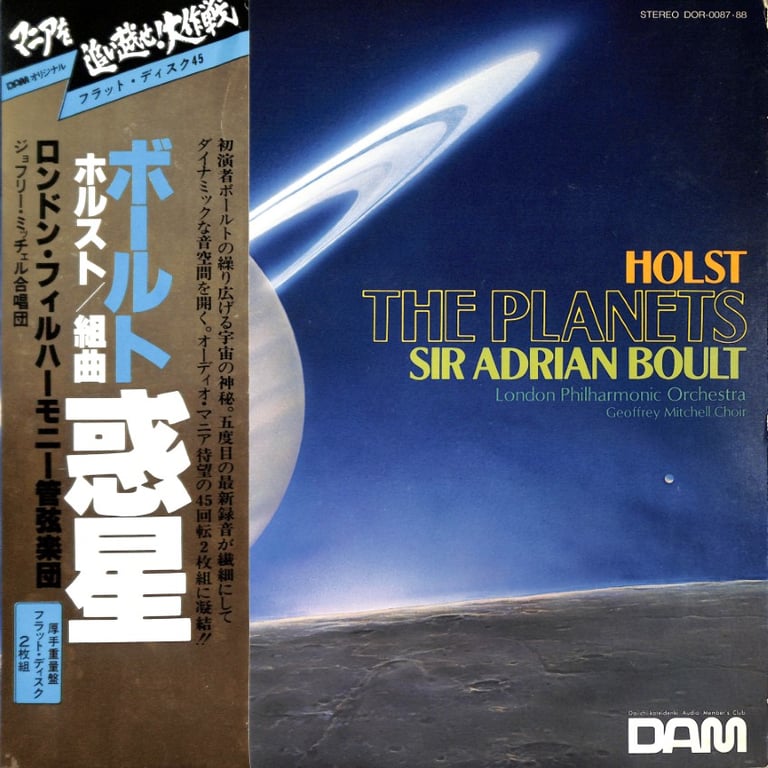
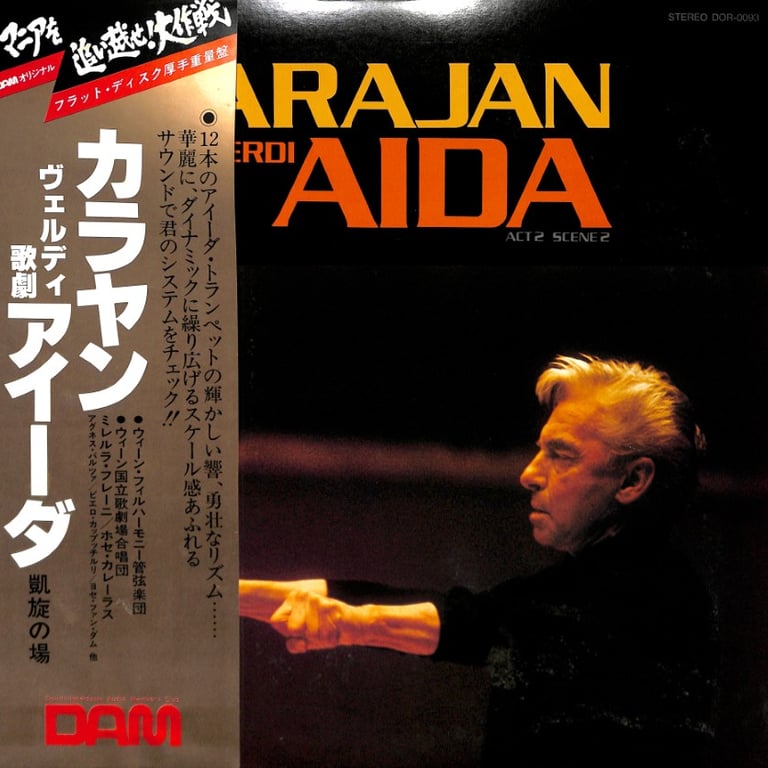
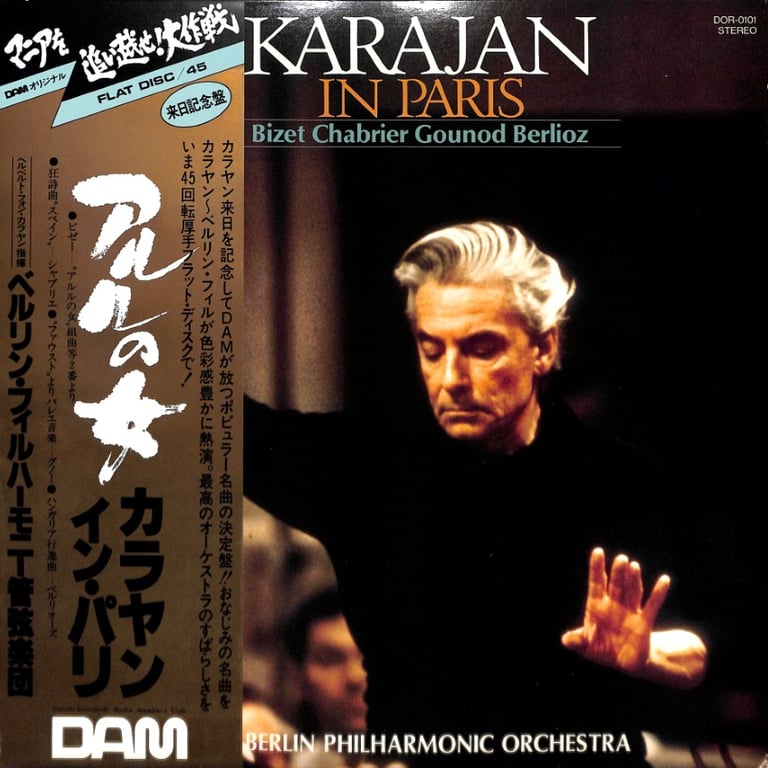
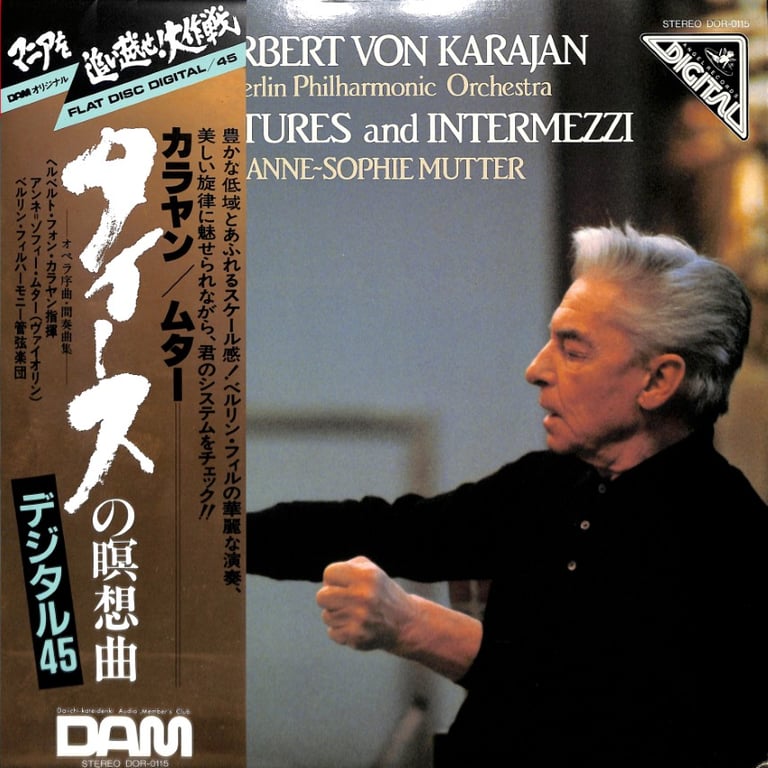

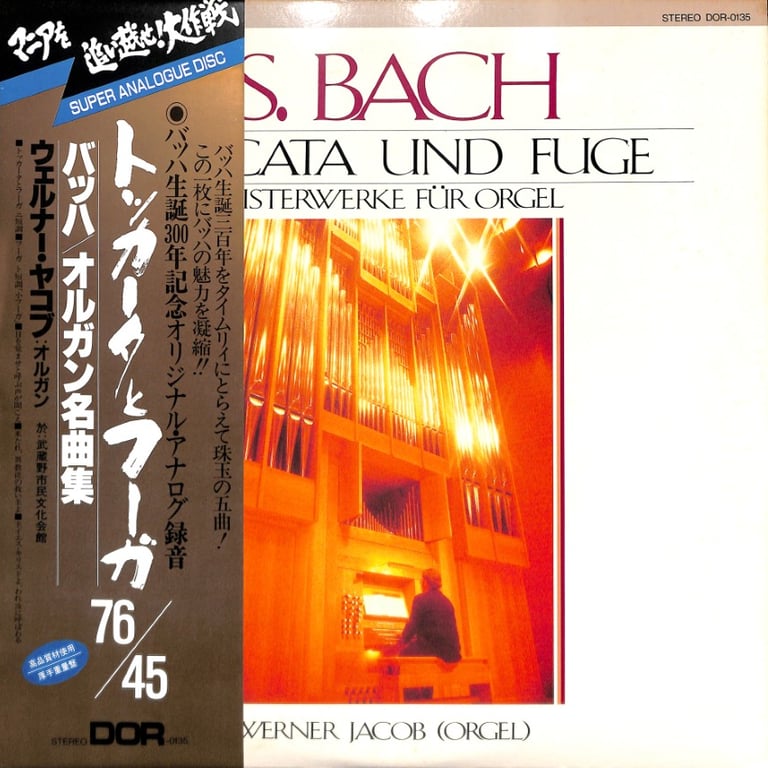


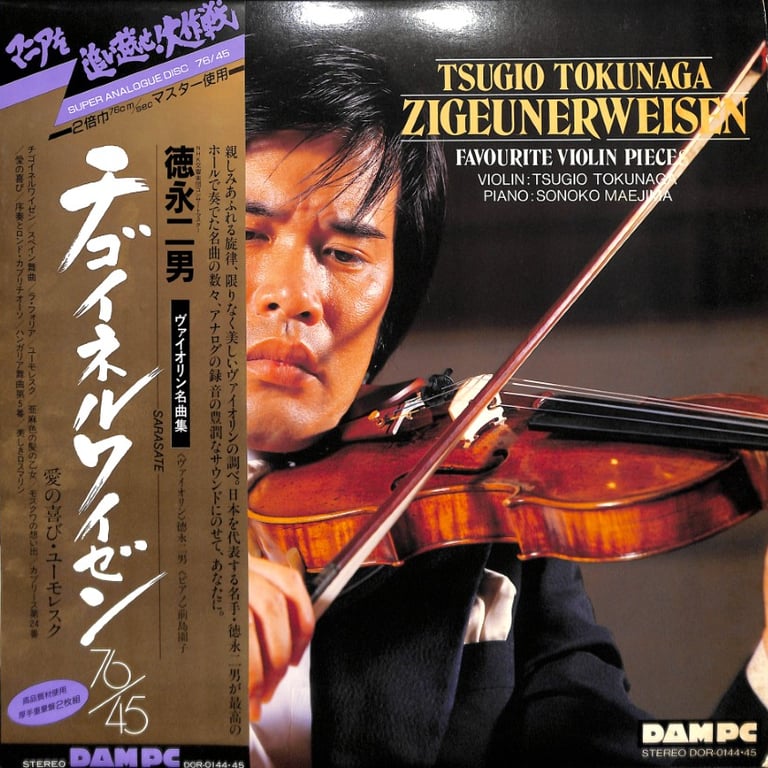
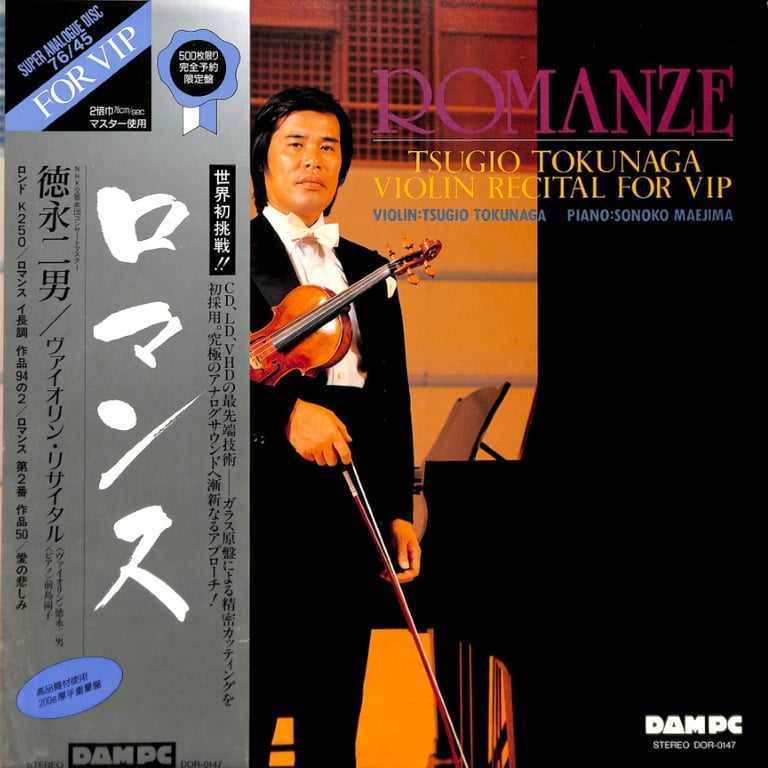
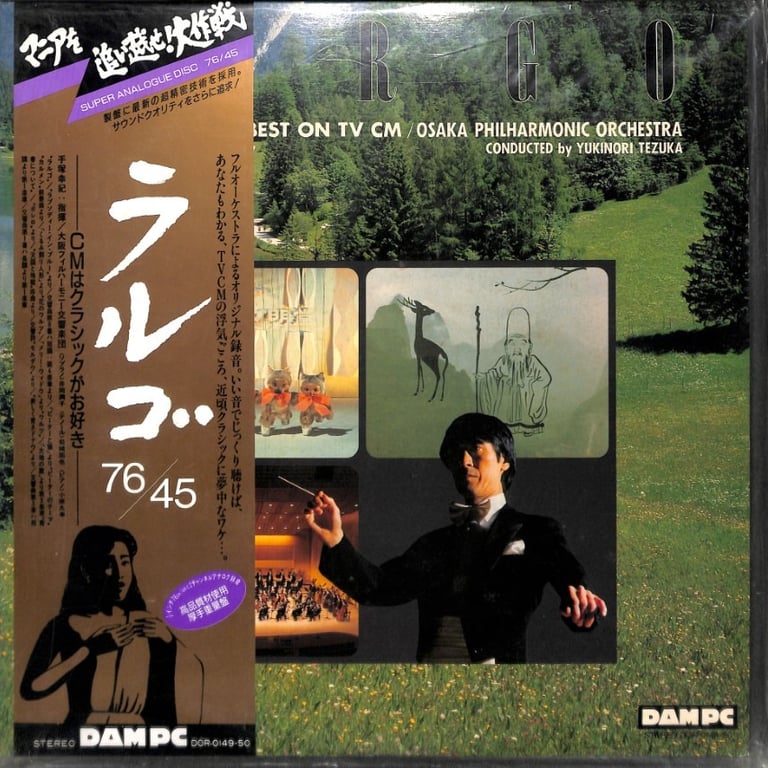



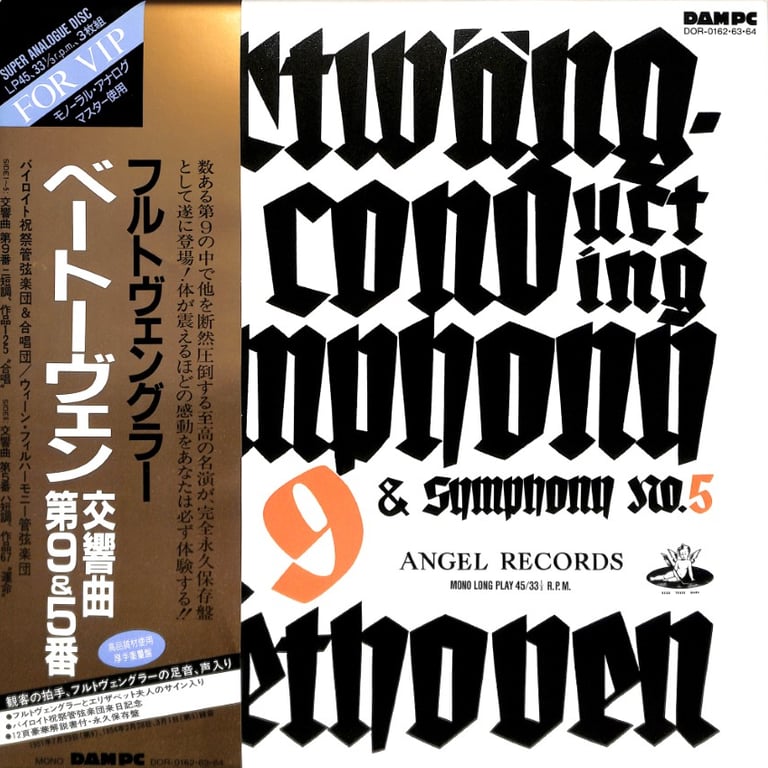

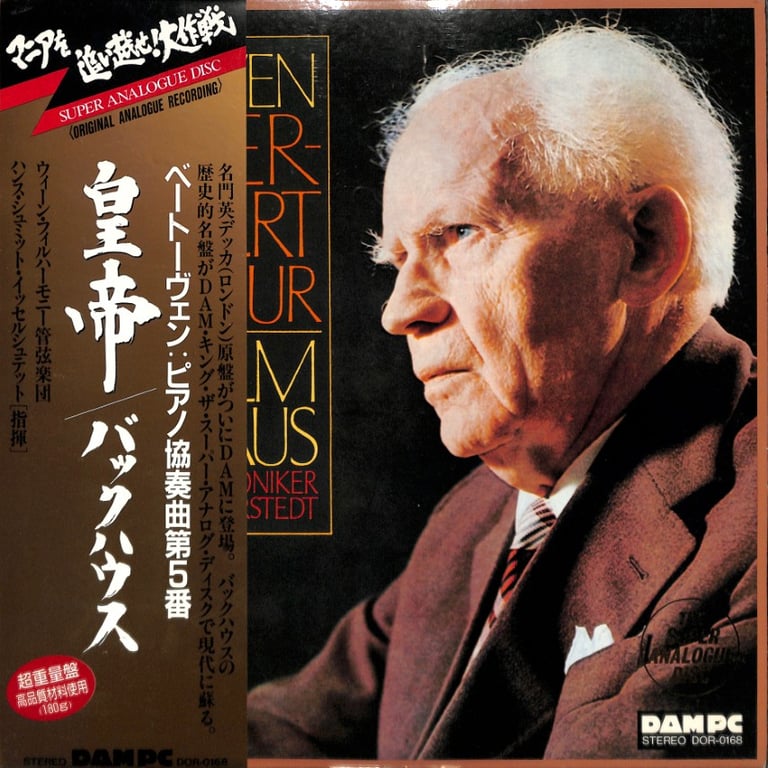


Beginning in 1975, Daiichi Kadenki, Japan's largest consumer electronics retailer, produced the "Super Analog Disc DAM 45/33" series exclusively for members of the Daiichi Kadenki Audio Members (DAM) club. This initiative was a partnership with Toshiba EMI, which handled the mastering and vinyl pressing.
The catalog consisted of two distinct categories:
45 RPM Reissues of EMI Master Tapes: Toshiba EMI selected classical music recordings from the global EMI Records catalog. Technicians used the master tapes to cut new 45 RPM versions to improve dynamic range and reduce inner-groove distortion.
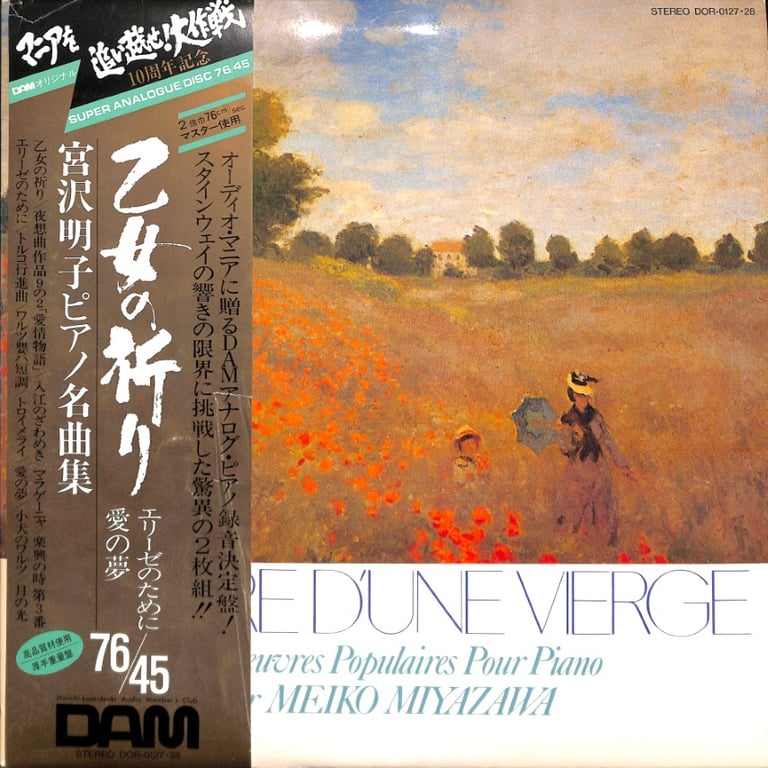
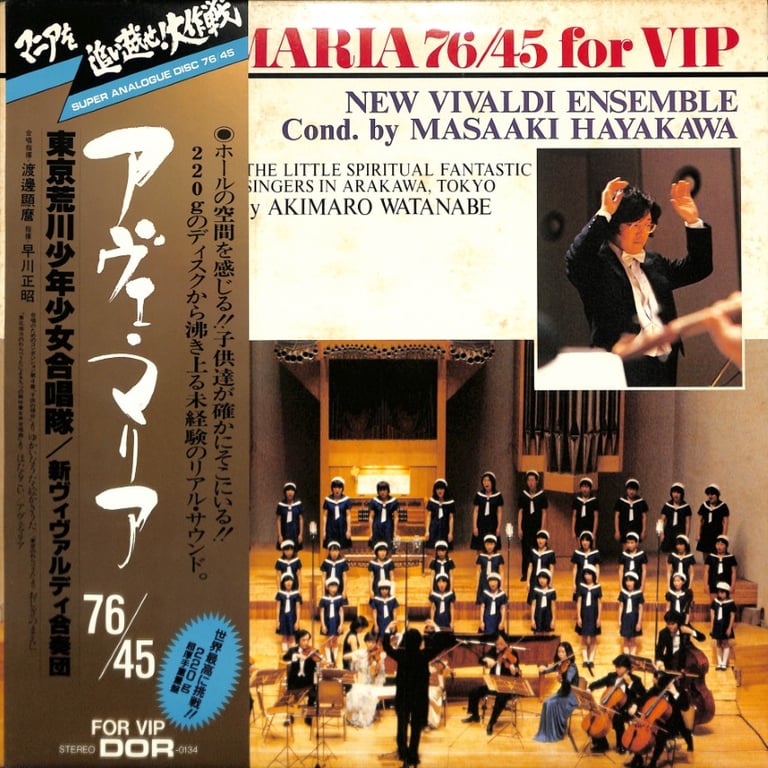
Exclusive Custom Recordings: The second part of the catalog featured new sessions engineered from scratch. Recorded at a tape speed of 76 cm/s (30 ips) and pressed at 45 RPM, these releases were produced to demonstrate the dynamic range, transient response, and technical capabilities of audio systems.
By the early 1990s, vinyl production for the DAM catalog ceased because Japanese pressing plants closed or converted entirely to Compact Disc manufacturing. As a result, the final titles had to be pressed abroad.
This transition marked the end of local production: in 1989, Toshiba pressed its final album for the series—Wilhelm Furtwängler's 1951 performance of Beethoven's Symphony No. 9. By 1990, the remaining titles became part of the King Records catalog and were pressed by King Records at 33 RPM.
The following is a list of the classical music titles published in the DAM catalog, followed by an analysis of the most representative releases.
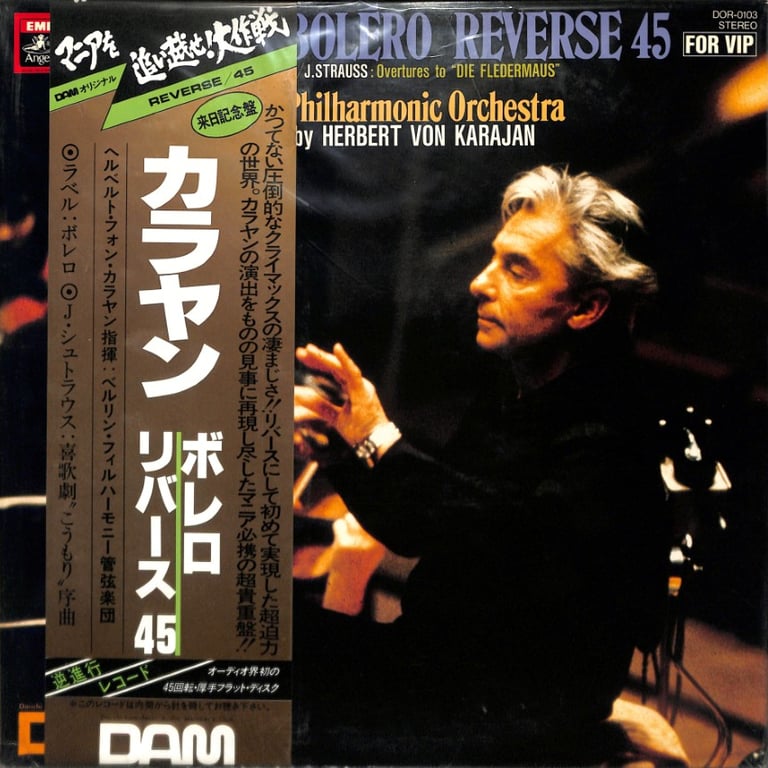
Ravel's Boléro, conducted by Herbert von Karajan, is one of the most famous works in the DAM catalog. Given the musical characteristics of this piece—a continuous crescendo that begins at pianissimo and concludes at fortissimo—DAM decided to cut the vinyl in reverse (from the inside out) to maximize the higher linear velocity of the outer grooves. I have attached a translation of the booklet. Another remarkable feature is that DAM's mastering choices allowed them to record the disc approximately 5 dB hotter than standard pressings, as clearly visible in the vinyl's groove spacing.


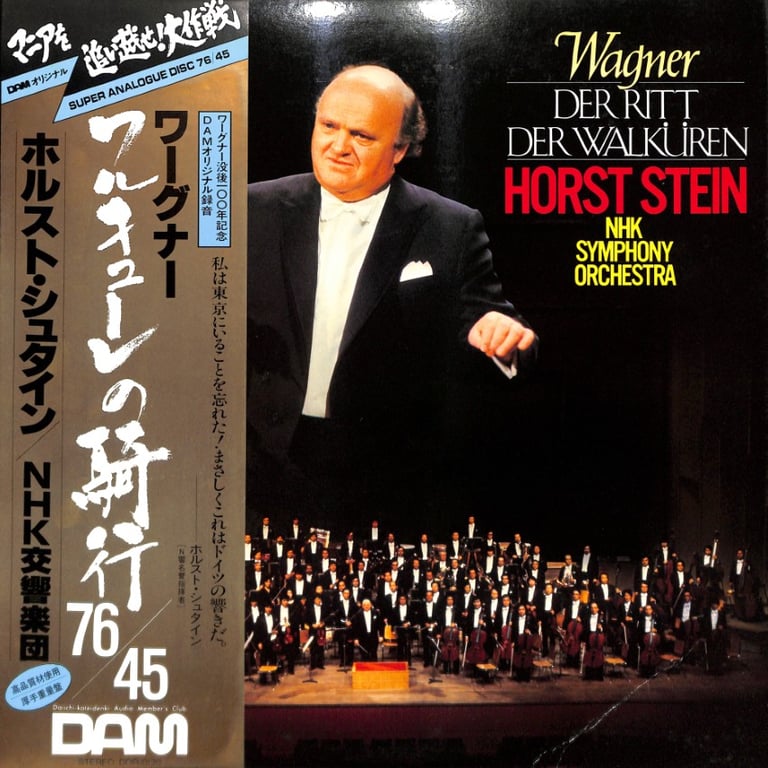
On the occasion of the centenary of Richard Wagner's death, DAM, in collaboration with Toshiba, recorded a selection of his compositions featuring the NHK Symphony Orchestra conducted by Horst Stein. The recording sessions took place on February 26–27, 1983, at the Tokyo Simple Insurance Hall. The performances were captured using both digital and analog formats, the latter recorded at a tape speed of 76 cm/s. Ultimately, the analog recording was selected for the final release. Comprehensive information regarding the production can be found in the translated booklets attached.


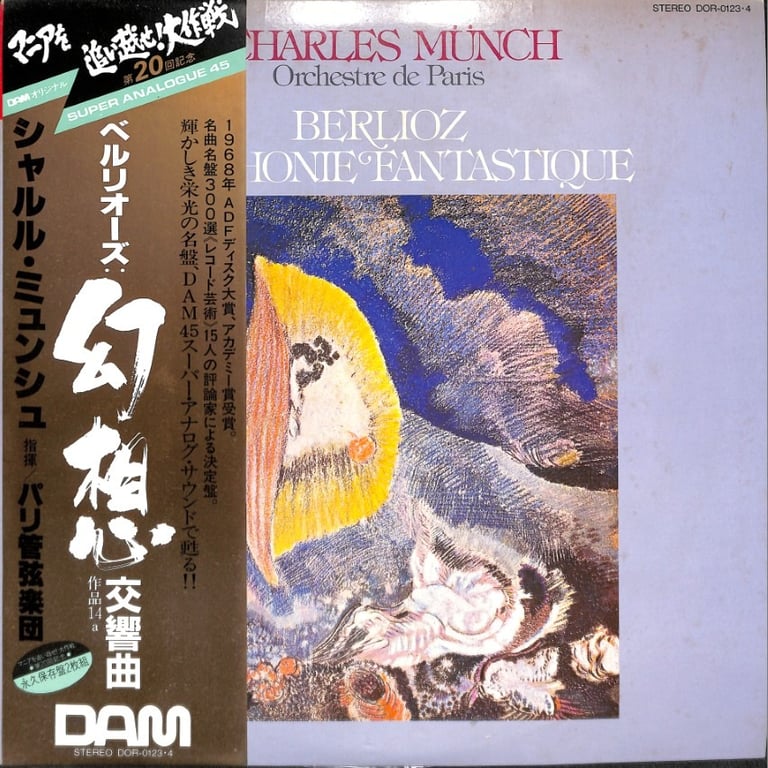
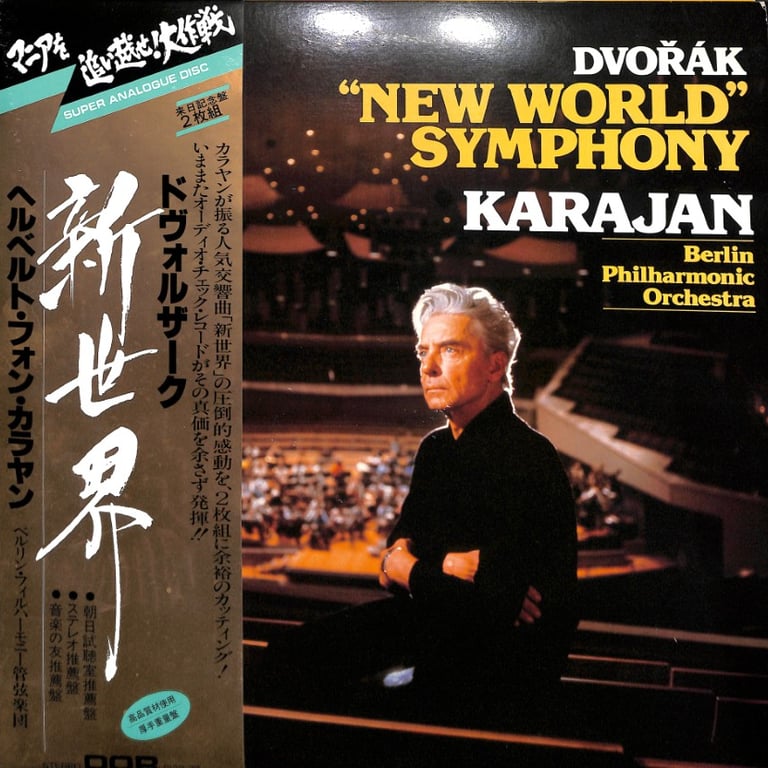
These six titles—Brahms' Violin Concerto (Oistrakh/Szell), Holst's The Planets (Boult), Berlioz's Symphonie Fantastique (Munch), Brahms' First Symphony (Munch), Strauss' Alpine Symphony (Kempe)and Dvorak New World Symphony ( Karajan ) were originally released by EMI in the UK and by Toshiba in Japan as single-record 33 RPM LPs whereas the DAM editions were released as two-record 45 RPM sets. This allowed each movement to occupy its own dedicated side, ensuring sound quality closer to the original master tape.